Sales Wins When Sales & Marketing Plan Trade Shows TogetherA packed booth and a smoothly run trade show feel great. I love that feeling as much as anyone. But when the show ends, there’s one question everyone needs to answer. What did this investment help us sell?
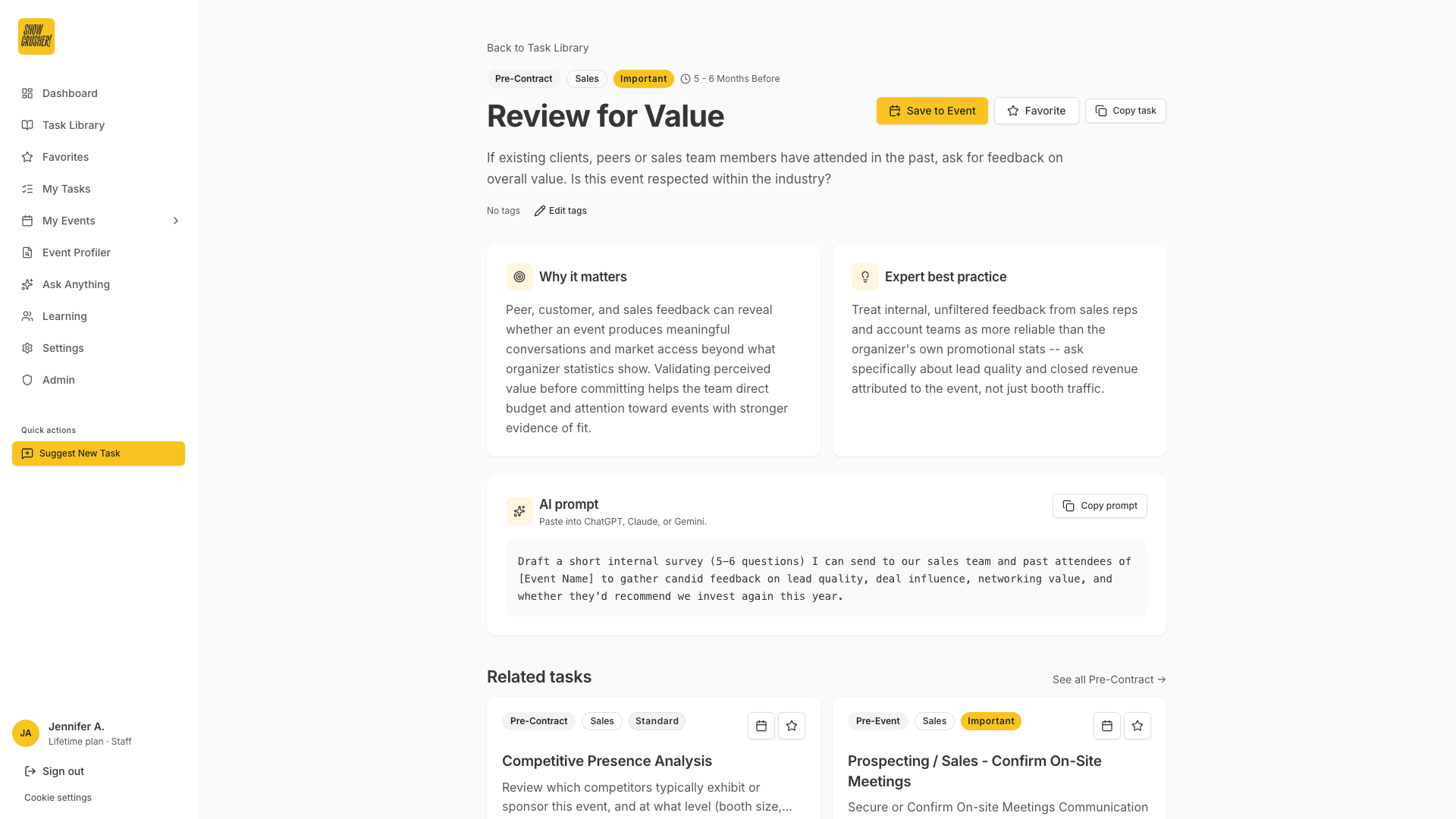
Sometimes the answer takes months. That’s all the more reason to bring sales into the conversation while you’re still deciding which shows to attend. I’ve worked with salespeople who knew a show inside out before their company exhibited there for the first time. They knew which customers would be there, who was worth meeting and which conversations were more likely to happen over dinner than on the show floor. Ask for that input while it can still shape the calendar and the budget.
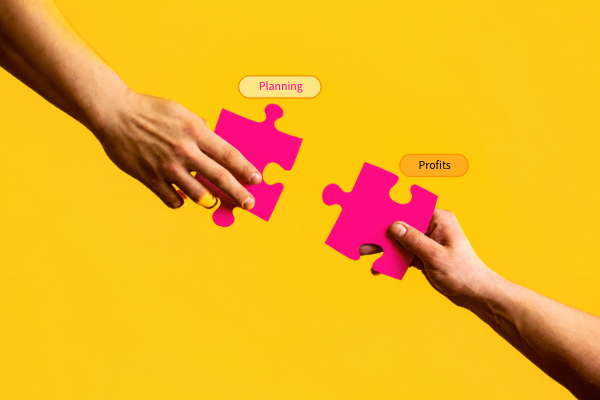
Connecting planning to profits.
Trade show planning needs to connect the money with the customer relationships, qualified opportunities and revenue you’re working to build.
Hover over highlighted terms for more information.
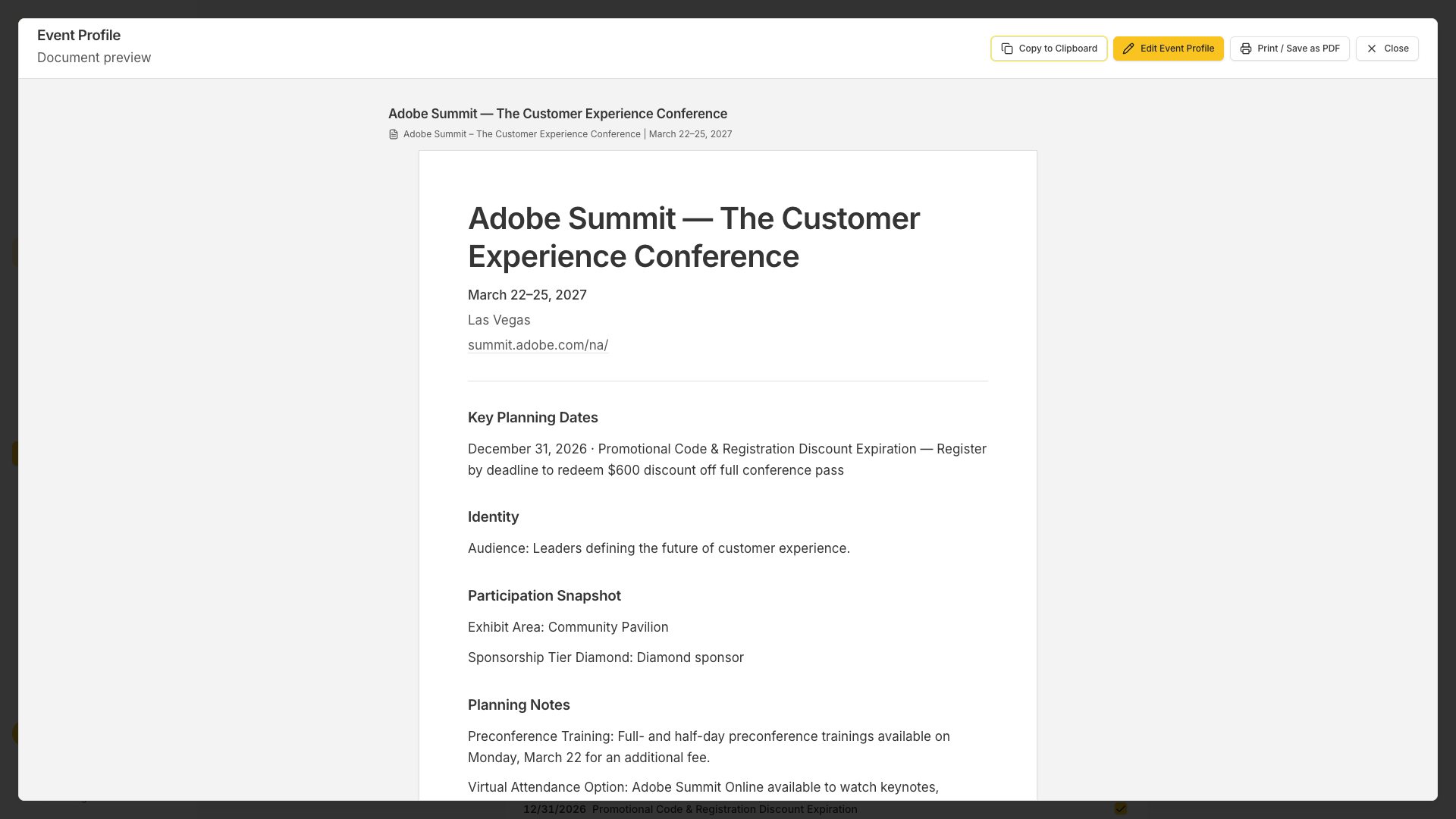
Trade show. Why this show? Confirm that the customers, decision-makers, and influencers your sales team wants to meet will be there. Decide which conversations would make the trip worthwhile.
Planning. Before you commit to the booth, agree on a spending limit, who owns each outcome, and when Sales and Marketing will review progress together.
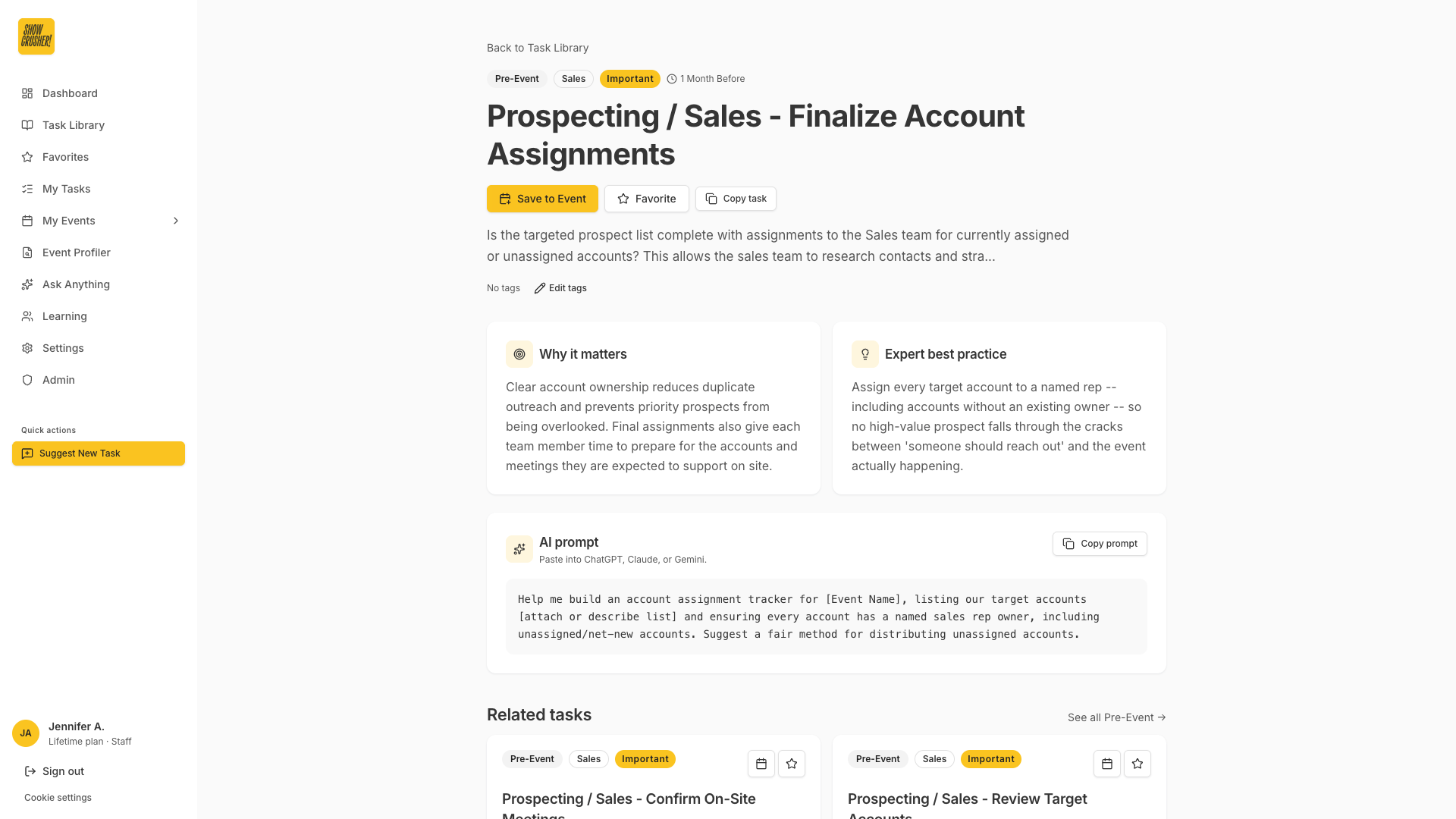
Qualified opportunities. Identify the people you want to meet at target accounts. Agree on what counts as an opportunity, such as a good-fit account with a real need and an agreed next step that Sales owns.
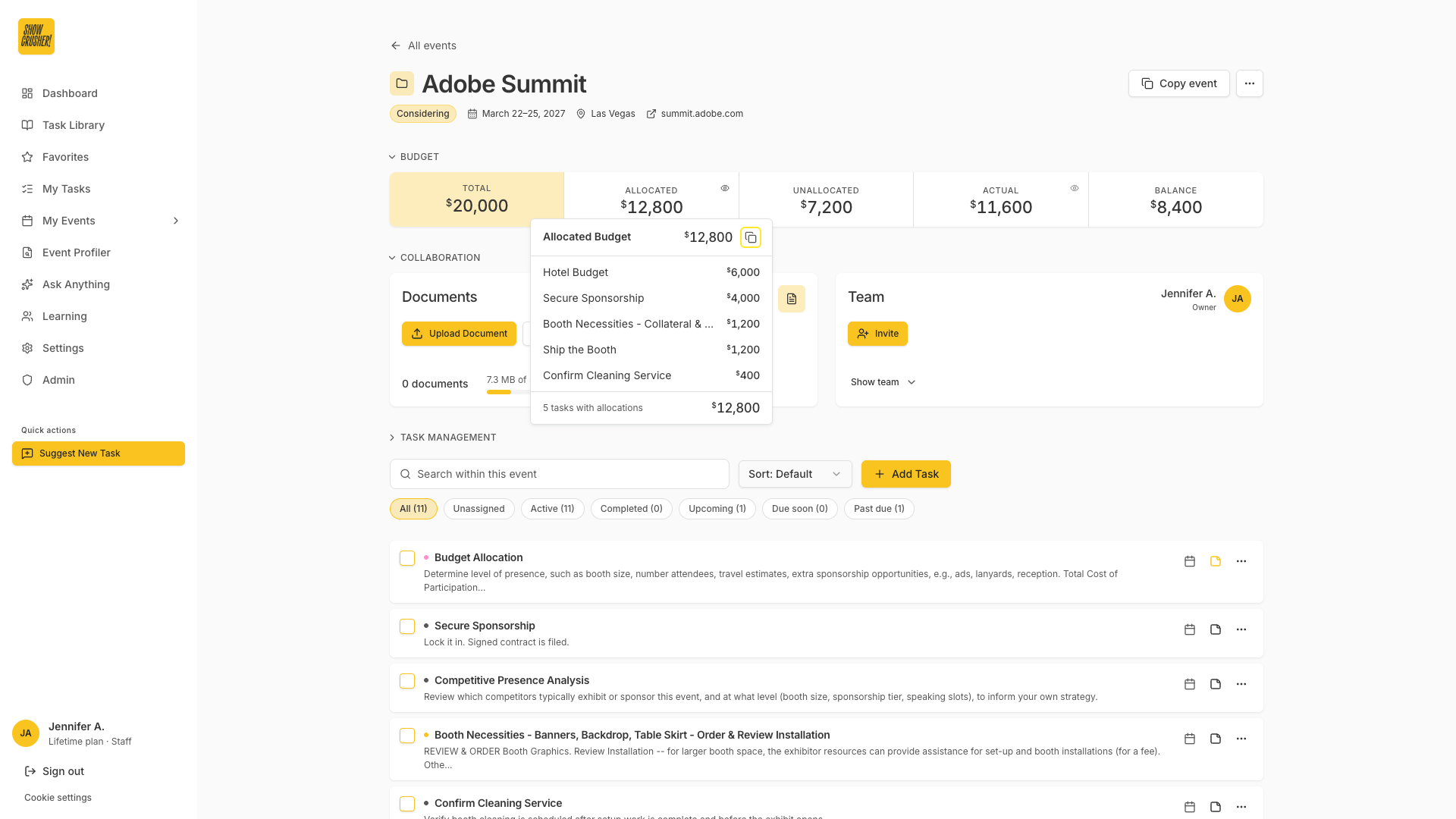
Connect the money with the customer relationships. Name the accounts you want to win or grow and estimate what a typical deal is worth. Use that estimate, along with the likelihood of closing, to judge whether the show justifies the spend.
Revenue. Set a closed-won revenue goal before approving the spend. Agree on the reporting window and how you’ll distinguish deals the show generated from existing deals it helped move forward.
Go Beyond the KPIBefore you commit to a show, agree on what sales progress would look like. You might want to get a first meeting with a buying team, move an existing deal to a product evaluation, or open an expansion conversation with a current customer. Each is a different kind of win. Each should have a next step that tells you whether the conversation went anywhere.
Then put some numbers behind the goal. What’s a typical deal worth? How many qualified opportunities would make this show worth the investment? Which people do you expect to meet, and what reason do they have to talk to you now?
One of my favorite budget questions is simple. If this were your own money, would you spend it on this show given who you expect to meet and what those conversations could lead to?
Put the Whole Investment in One BudgetMarketing usually manages the exhibit space, booth materials, service orders, shipping, and deadlines. Sales brings the account knowledge, customer relationships, and an understanding of what could move a deal forward. Both teams need to see what the company is spending to make those conversations happen.
The booth might come out of marketing’s budget. Flights and hotels might sit with sales. A customer dinner might land somewhere else entirely. Each expense can look reasonable on its own while the total climbs beyond what anyone intended.
Give the show one working budget and assign someone to keep it current. Include direct costs such as exhibit space, booth production, shipping and material handling, venue services, sponsorships, promotional materials, travel, lodging, meals, and entertainment. If you track staff time and overhead separately, use the same approach when comparing shows.
In your weekly check-in, review what’s spent, what’s committed, and what’s still expected alongside the meetings you’re trying to secure. A meeting room can earn its place in the budget if a buying team needs privacy for a technical discussion. An extra salesperson can be worth the airfare if they have specific accounts to cover and meetings to support. Tie each spending decision to the work it helps the team do.
Follow the Conversations Through to RevenueSome of the best sales conversations happen in an elevator or over dinner after the hall closes. Wherever they happen, capture who was there, what you learned, who owns the follow-up, and what both sides agreed to do next. Get those details down before everyone heads home.
After the show, reconcile the actual cost and review what happened to those conversations. Track meetings, qualified opportunities, pipeline, and closed revenue separately. Give the show credit for the opportunities it created and for the existing deals it helped move forward. Keep checking as those deals develop, especially if your sales cycle runs well past the event.
I want the booth to shine and the experience to be memorable. The measuring stick starts and ends with sales. Before the show, agree on what you’re going there to sell and to whom. Afterward, follow the opportunities far enough to see what the investment helped bring in.
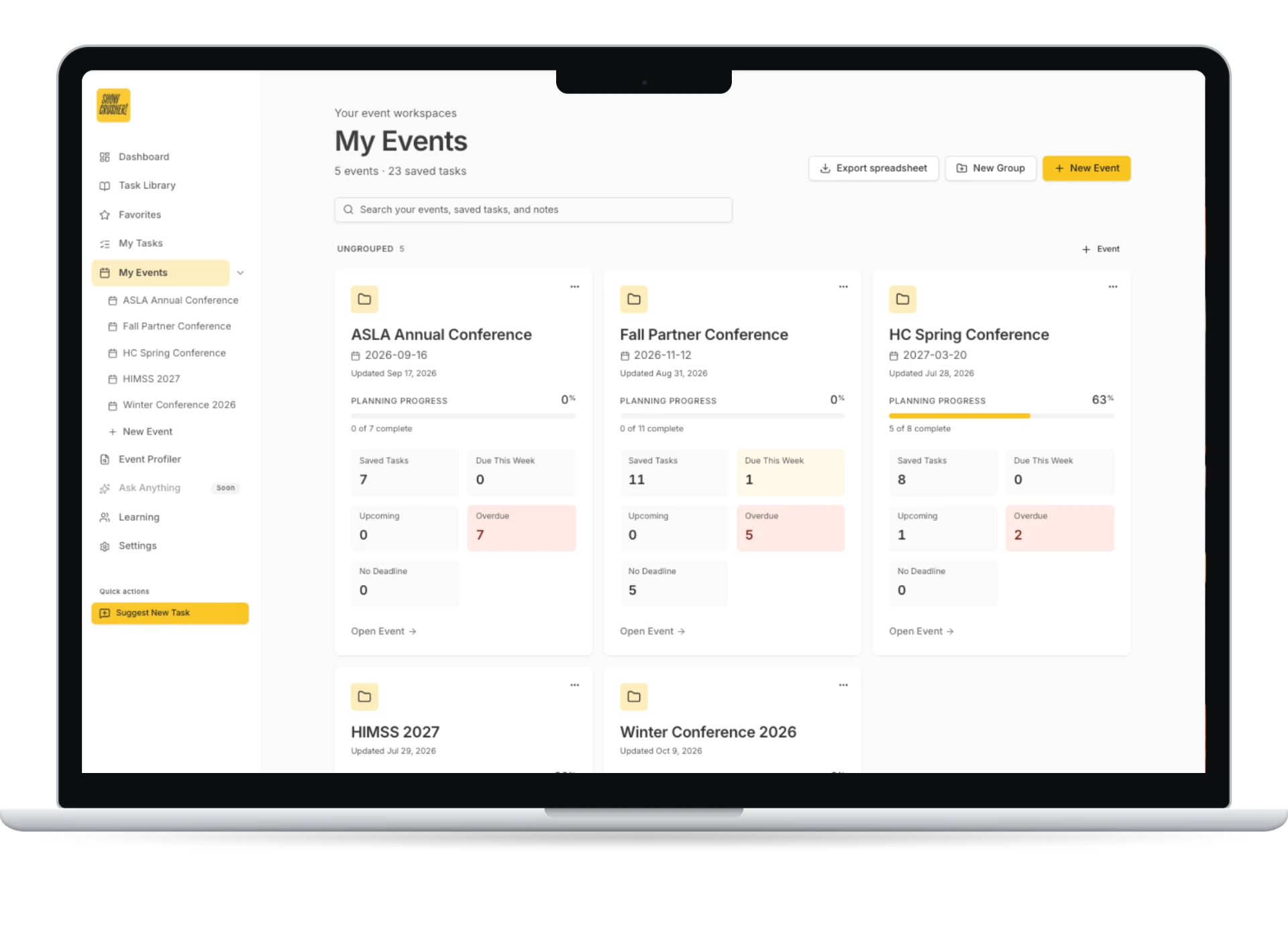
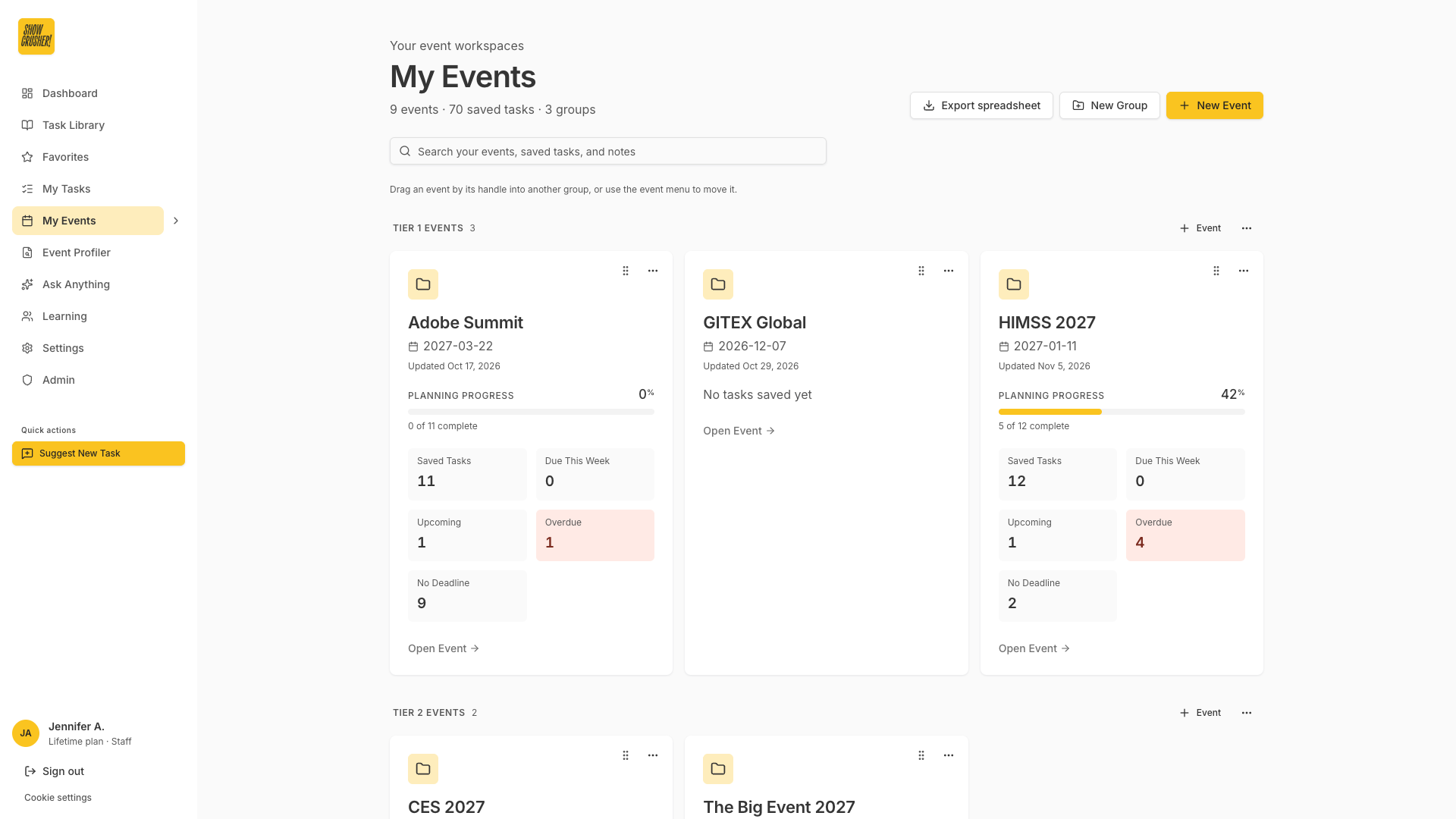
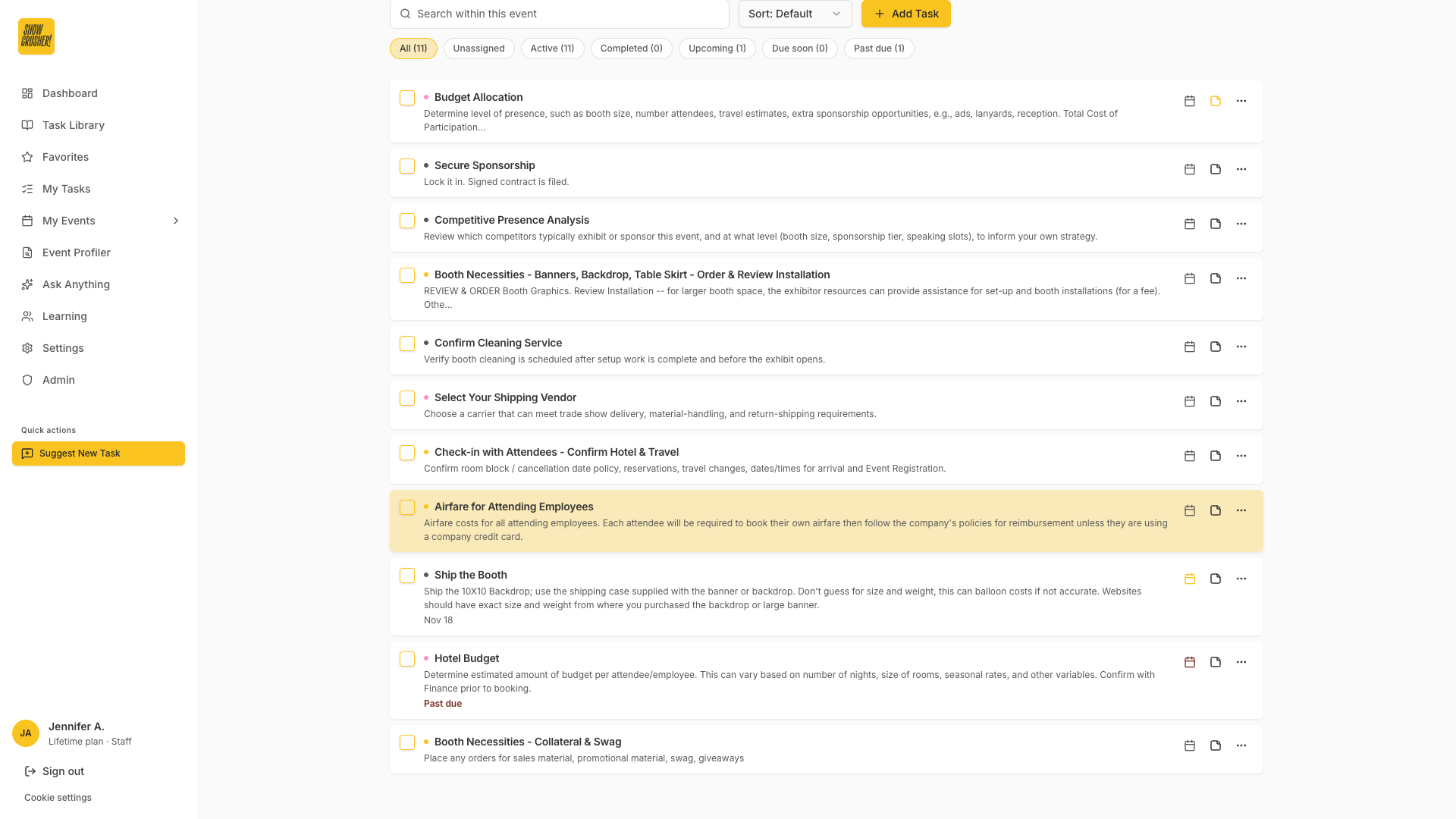
Planning your next trade show? Give sales and marketing one place to organize event tasks, deadlines, and team responsibilities. Start free with Show Crusher.